26 Vitamins and Minerals Your Body Needs - And How to Know If You're Getting Enough

Most of us know we need vitamins. We buy supplements, try to eat our greens, and hope for the best. But very few people actually know which vitamins and minerals their body depends on - or whether they're getting enough of any of them.
The human body requires 26 essential vitamins and minerals to function properly. These aren't optional extras. They regulate everything from energy production and immune function to bone density, hormonal balance, and brain health. When even one is out of balance, the effects can ripple through your entire system.
Here's a breakdown of what your body actually needs - and why it matters.
Fat-Soluble Vitamins
These vitamins are stored in body fat and released as needed. Because they accumulate, both deficiency and excess can cause problems.
Vitamin A supports vision, immune defense, and skin health. Deficiency is one of the leading causes of preventable blindness worldwide.
Vitamin D is essential for calcium absorption, bone strength, and immune regulation. It's also one of the most widespread deficiencies in Europe, particularly in the winter months when sun exposure is limited.
Vitamin E acts as a powerful antioxidant, protecting cells from oxidative damage. It also supports immune function and skin health.
Vitamin K2 plays a critical role in directing calcium to bones rather than arteries, making it essential for both bone density and cardiovascular health. It's often overlooked but works closely with vitamin D3.
Water-Soluble Vitamins
These aren't stored in the body, so they need to be replenished regularly through diet or supplementation.
Vitamin C is essential for collagen production, immune defense, and iron absorption. Despite being widely known, deficiency is more common than many people think.
B vitamins - including B1 (thiamine), B2 (riboflavin), B3 (niacin), B6, B9 (folate), and B12 - are involved in energy metabolism, nervous system function, red blood cell production, and DNA synthesis. B12 deficiency in particular is common among people who eat little or no animal products.
Biotin (B7) supports the health of skin, hair, and nails, and plays a key role in metabolism.
Essential Minerals
Calcium is the most abundant mineral in the body, critical for bones, teeth, muscle function, and nerve transmission.
Magnesium is involved in over 300 enzymatic reactions. It supports muscle recovery, sleep quality, stress regulation, and heart health. Deficiency is extremely common and often goes undetected.
Iron is required for producing hemoglobin, which carries oxygen through the blood. Low iron leads to fatigue, weakness, and poor concentration - particularly common in women.
Zinc supports immune function, wound healing, and hormone production.
Selenium acts as an antioxidant and supports thyroid function. The thyroid contains higher concentrations of selenium than any other organ in the body.
Iodine is essential for thyroid hormone production, which regulates metabolism.
Copper supports iron metabolism and the formation of connective tissue.
Chromium helps regulate blood sugar and enhances insulin sensitivity.
Coenzyme Q10 supports cellular energy production and acts as a potent antioxidant. It's particularly important for heart and cardiovascular health.
Potassium and sodium work together to regulate fluid balance, blood pressure, and muscle function.
So, How Do You Know If You're Getting Enough?
This is the hard part. Many deficiencies develop slowly and don't produce obvious symptoms until they've been present for months or years. By the time fatigue, brain fog, or hair loss appear, a deficiency may already be well-established.
Blood tests can detect some deficiencies, but they're not always accessible, comfortable, or practical for regular monitoring.
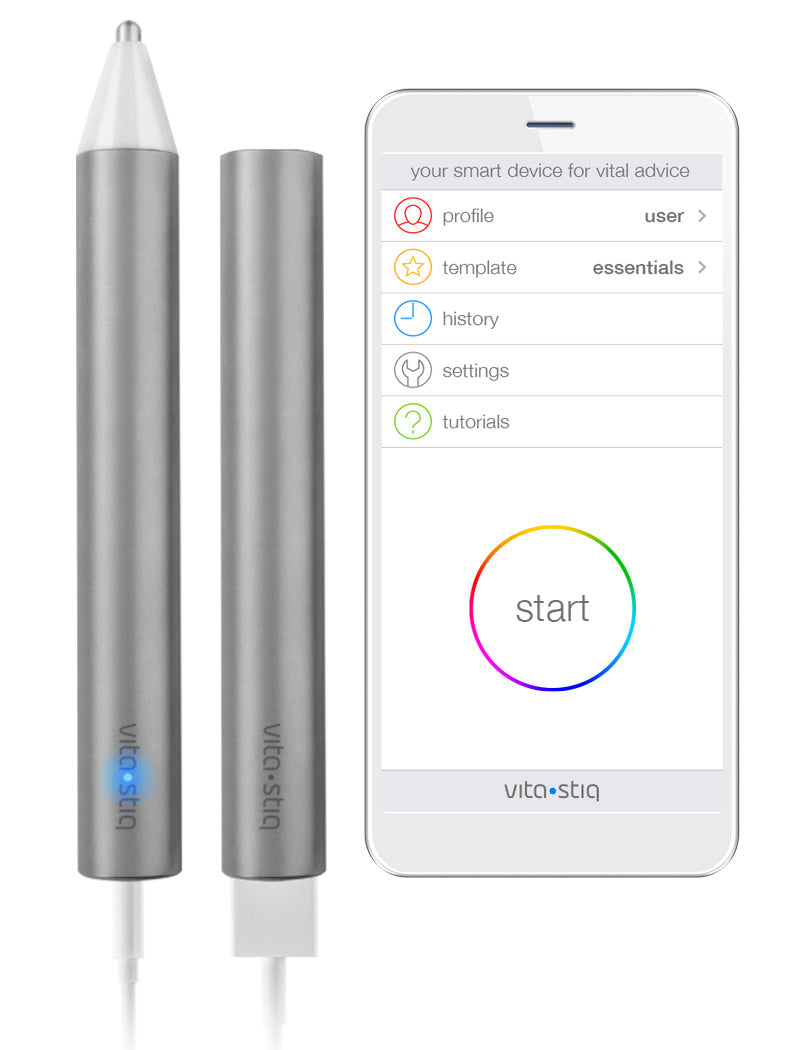
A growing number of people are turning to home health monitoring tools that allow them to track vitamin and mineral trends regularly - making it easier to catch imbalances early and adjust diet or supplementation accordingly.
Understanding what your body needs is the first step. The next step is knowing how to check whether you're actually getting it.